
Introduction: The Shift Towards Permission-Based Marketing on LinkedIn
In today’s digitally saturated world, the effectiveness of traditional interruptive marketing methods is increasingly diminishing. Consumers are constantly bombarded with advertisements across a multitude of platforms, leading to a state of information overload. This constant barrage has spurred the widespread adoption of ad blockers and spam filters, indicating a growing consumer resistance to marketing that disrupts their online experience. The digital landscape is undeniably evolving, and traditional outbound marketing strategies are encountering diminishing returns as individuals actively seek to filter out unwanted noise. This shift necessitates a fundamental move towards marketing approaches prioritising user consent and preferences.
As consumers become more adept at avoiding unwanted intrusions, permission-based marketing has emerged as a consumer-centric and effective alternative. This approach centres on obtaining explicit consent from individuals before disseminating any marketing messages. Businesses can foster trust and cultivate stronger, more meaningful customer relationships by actively seeking and respecting consumer preferences. Placing consumers in control of the marketing messages they receive cultivates a more receptive and engaged audience, ultimately leading to higher quality interactions and an improved brand perception.
LinkedIn is a key platform for implementing professional permission-based marketing and social selling strategies. As a premier professional networking platform, LinkedIn provides an ideal environment for businesses to connect with BB and other professional audiences through permission-based approaches. Social selling on LinkedIn emphasises the importance of building genuine relationships and providing value to connections before engaging in direct promotional activities. The platform’s professional context fosters an atmosphere where building trust and offering relevant insights can lead to significant connections and valuable business opportunities.
Understanding the Core Principles of Permission-Based Marketing
At the heart of permission-based marketing lies the principle of explicit consent. This involves obtaining an unambiguous agreement from individuals before sending them marketing communications. Consumers must actively opt in to receive these messages, often by checking a box on a form or providing explicit verbal agreement. Generally, implied consent, such as pre-checked boxes on forms, is not considered sufficient, particularly under stringent data privacy regulations like GDPR. Requiring explicit consent demonstrates respect for user privacy and establishes a firm ethical foundation for marketing practices, ultimately leading to a more engaged and willing audience.
Transparency forms another crucial pillar of permission-based marketing. It is essential to clearly communicate to subscribers the exact purpose and anticipated frequency of communications they will receive. Individuals should clearly understand what they are signing up for, including the specific types of content they can expect, how often they will receive messages, and the benefits they will gain from subscribing. This level of transparency builds credibility with the audience and significantly minimises opt-out rates. Honest and open communication regarding marketing practices fosters trust and effectively manages subscriber expectations, resulting in higher engagement levels and reduced unsubscribe requests.
Permission-based marketing also thrives on the principle of value exchange. Consumers are considerably more inclined to grant a business permission to communicate with them if they perceive a clear and tangible benefit in return. This could take various forms, such as exclusive discounts, access to free and valuable resources, or early access to new products or services. Providing content or offers that are genuinely valuable to the subscriber ensures they remain engaged and reduces the likelihood of attrition. This focus on mutual benefit transforms marketing from an unwelcome intrusion into a welcomed and anticipated exchange.
Finally, empowering recipients with control over their communication preferences is paramount in permission-based marketing. Providing easy and hassle-free opt-out options is crucial for maintaining trust and complying with data privacy regulations. Furthermore, implementing preference centres that allow subscribers to customise the frequency and the specific types of content they wish to receive further enhances the user experience. Businesses demonstrate a deep respect for individual choices and preferences by giving users control over their communication settings, ultimately leading to a more positive and enduring relationship with their audience.
Why Permission Matters: Exploring the Benefits for Businesses and Users
Adopting a permission-based marketing strategy yields significant benefits for businesses. Audiences that have actively opted in to receive communications demonstrate a genuine interest in the brand, which translates to more meaningful and productive interactions. This targeted approach also leads to higher conversion rates, as communications are directed at individuals who have already expressed an interest in the brand’s offerings, increasing the likelihood of converting leads into paying customers. Moreover, the consistent delivery of valuable content and a demonstrated respect for privacy fosters a strong sense of customer trust and loyalty. This enhanced loyalty increases repeat purchases and turns satisfied customers into enthusiastic brand advocates. Businesses can also significantly improve customer satisfaction by aligning content with individual interests and preferences. Focusing marketing efforts on a qualified audience rather than a broad, untargeted one allows for optimising marketing spending, leading to greater cost efficiency. Furthermore, higher engagement rates and reduced spam complaints associated with permission-based marketing improve the sender’s reputation and enhance email deliverability. Perhaps most importantly, obtaining explicit consent ensures that businesses comply with crucial data privacy regulations such as GDPR and PoPIA. Ultimately, permission-based marketing fosters a more engaged, loyal, and satisfied customer base, driving better marketing ROI and contributing to long-term business success.
Permission-based marketing also provides numerous advantages for users. It empowers individuals by giving them control over the information they receive and from which sources, effectively reducing the volume of unwanted marketing messages that clutter their digital lives. Users benefit from receiving content that is directly tailored to their specific interests and needs, enhancing the overall value and relevance of marketing communications. The emphasis on explicit consent and the provision of easy opt-out options demonstrates that businesses value and respect their personal data and communication preferences. This approach ensures that marketing messages are anticipated and welcomed, rather than being perceived as an unwelcome interruption to their online activities. The personalised experience offered through permission-based marketing, with content and offers tailored to individual preferences, provides a more relevant and ultimately more useful interaction for the user. In essence, permission-based marketing leads to a more positive and less intrusive online experience for consumers, where they are in control and receive information that is genuinely of interest to them.
LinkedIn and Social Selling: Implementing a Permission-First Strategy
Building a professional brand on LinkedIn that naturally attracts opt-ins is a cornerstone of a permission-first strategy. This begins with optimising your LinkedIn profile to clearly showcase your expertise and the unique value you offer to your network. Consistently sharing valuable content that provides genuine insights and addresses industry trends establishes you as a thought leader, giving users compelling reasons to connect with and follow your updates. Engaging authentically with your network by leaving thoughtful comments on their posts, sharing content that resonates with you, and actively participating in industry-relevant discussions further strengthens your presence. By cultivating a strong and engaging LinkedIn presence, you naturally attract individuals who are interested in your specific area of expertise, making them significantly more likely to grant you permission for further interaction and communication.
Ethical social selling techniques on LinkedIn are crucial for building lasting relationships based on permission. The primary focus should be on establishing genuine connections and thoroughly understanding the needs of your prospects before attempting any form of direct promotion. Always seek explicit permission before sending direct messages or any promotional materials to your connections.0 Personalise your outreach messages to demonstrate that you have taken the time to understand their profile and needs, thereby avoiding generic and unsolicited pitches that are often perceived as spam. In your initial interactions, prioritise providing value through helpful content, relevant insights, and thoughtful contributions to conversations. It is also essential to respect the boundaries of your connections and promptly honour any requests to disconnect or opt out of future communications. By adhering to these ethical social selling practices, you prioritise building trust and rapport, making your prospects significantly more receptive to any future engagement.
LinkedIn offers a range of features that can be effectively leveraged to implement a permission-based marketing strategy. Utilising LinkedIn Articles and Newsletters allows you to share in-depth content on specific topics, providing valuable insights and building a dedicated subscriber base of interested professionals. Creating LinkedIn Groups centred around specific industry niches or areas of expertise enables you to cultivate a community of like-minded professionals who have voluntarily joined to engage with relevant content and discussions. Employing LinkedIn Polls and Questions is an excellent way to encourage direct engagement from your network and gather valuable insights into their preferences and opinions. Furthermore, you can strategically promote lead magnets and other valuable resources through LinkedIn posts and targeted ads, ensuring that access to these resources requires users to actively opt in by providing their contact information. By thoughtfully utilising these LinkedIn features, you can effectively implement permission-based marketing by consistently providing value and creating multiple opportunities for users to voluntarily engage with your content and your brand.

Crafting Engaging LinkedIn Content: The Role of Humour and Value
Humour possesses a remarkable power in the realm of professional networking, particularly on platforms like LinkedIn. By injecting appropriate humour into your content, you present yourself as more human and relatable, fostering stronger emotional connections with your audience. Humour can also serve as a powerful differentiator, setting your brand apart from the often-serious tone prevalent on LinkedIn and leaving a more memorable impression on your connections. Content that incorporates humour has a higher propensity to be shared within networks, naturally increasing your reach and overall engagement on the platform. The strategic integration of humour into your LinkedIn strategy can effectively break through the typical professional facade, making your content more appealing and shareable, ultimately strengthening your professional network and enhancing your brand’s visibility.
To effectively use humour in a professional context on LinkedIn, it is crucial to first understand your audience and their specific sense of humour. Incorporating humour that stems from shared workplace experiences and utilising light wordplay can resonate well with a professional audience. Industry-related jokes and memes, when presented with a professional twist, can also be highly effective in capturing attention and generating engagement. However, it is paramount to maintain a respectful tone throughout your content, diligently avoiding any jokes that could be perceived as offensive, derogatory, or controversial. Ensure that the humour you employ serves to enhance your overall message and does not inadvertently overshadow the key information you intend to convey. Opting for self-referential humour, where you playfully poke fun at yourself or common professional experiences, can be particularly effective. It is generally advisable to avoid forced or inauthentic humour, as this can often fall flat and may even detract from your professional image.
The most impactful LinkedIn content masterfully balances the use of humour with the delivery of genuine value. Humour should serve as a complement to valuable content, such as insightful industry trends, practical tips, and effective solutions to common professional challenges. Alongside any humorous elements, ensure that you consistently provide actionable takeaways and educational content that your audience can directly benefit from. The overarching goal should be to create content that not only captures your audience’s attention and elicits a smile but also informs, inspires, and ultimately entertains them within a professional context. By thoughtfully integrating humour with substantive value, you can create LinkedIn content that is both engaging and informative, solidifying your position as a valuable and enjoyable connection in your professional network.
Navigating Data Privacy Regulations: GDPR and PoPIA Compliance for LinkedIn Marketing
When engaging in LinkedIn marketing activities, particularly when targeting individuals within the European Union, adherence to the General Data Protection Regulation (GDPR) is paramount. This necessitates obtaining explicit consent for the collection and processing of any personal data, including email addresses gathered through lead generation forms. It is also crucial to provide clear and easily understandable information about how this data will be used within privacy policies that are readily accessible through links on lead generation forms and within your profile information. Users must be provided with straightforward mechanisms to withdraw their consent at any time and to exercise their rights regarding their data, including the rights to access, rectify, and erase their personal information. Maintaining meticulous records of all consent obtained, including the date and timestamp of opt-in, the source of consent, and the user’s IP address, is also a key requirement. Furthermore, it is essential to limit the collection of data to only that which is strictly necessary for the specified marketing purposes, adhering to the principle of data minimization. Finally, robust data security measures must be implemented to ensure the protection of all personal data collected from unauthorised access, breaches, or misuse.
For LinkedIn marketing activities targeting individuals within South Africa, compliance with the Protection of Personal Information Act (PoPIA) is equally critical. This legislation mandates obtaining explicit consent for direct marketing communications sent via electronic channels, which includes direct messages on LinkedIn to individuals who are not existing customers. All marketing communications must include a clear and easily accessible option for recipients to opt out of future messages. Transparency regarding the purpose of data collection and how the collected information will be used is a fundamental requirement of PoPIA. Any personal data collected through LinkedIn must be securely stored and protected against unauthorised access or breaches. Businesses must also respect the rights of data subjects, including their right to object to the processing of their personal information and to request corrections or deletions of inaccurate or outdated data. When marketing to minors, it is imperative to obtain explicit consent from their legal guardian before initiating any communication. Maintaining comprehensive records of all consents obtained and any opt-out requests received is also a crucial aspect of PoPIA compliance.
To ensure ongoing compliance with both GDPR and PoPIA when conducting marketing activities on LinkedIn, several practical steps should be implemented. Regularly review and update your privacy policies to accurately reflect your current LinkedIn marketing practices and ensure alignment with the latest regulatory requirements. Implement clear and user-friendly consent mechanisms on all LinkedIn lead generation forms and any other points where you collect personal data from users. Provide thorough and up-to-date training to your marketing teams on the specific requirements of both GDPR and PoPIA, as well as best practices for utilising LinkedIn in a compliant manner. Conduct regular audits of all your LinkedIn marketing activities to proactively identify and address any potential compliance gaps or issues. Finally, as mandated by PoPIA, consider appointing an Information Officer within your organisation to oversee all data protection efforts and ensure ongoing compliance with the Act.
The Numbers Speak: Research and Statistics on Permission Marketing Effectiveness
Research consistently underscores the effectiveness of permission marketing compared to traditional interruption-based approaches. Studies indicate that permission marketing strategies lead to significantly higher levels of engagement and conversion rates. Furthermore, by focusing marketing efforts on audiences that have already expressed interest, businesses can achieve greater cost efficiency in their campaigns. Notably, permission-based email marketing often boasts a substantial return on investment, with some sources reporting figures ranging from $ to $ for every dollar spent. This data collectively suggests that permission marketing is not only the preferred approach for consumers but also delivers superior results for businesses in terms of audience engagement, lead conversion, and overall marketing ROI.
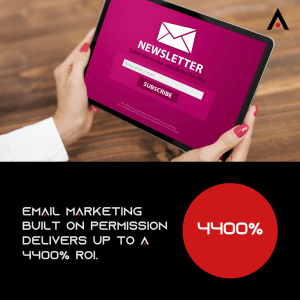
Email marketing, a cornerstone of permission-based strategies, demonstrates a particularly strong return on investment. Some reports indicate an impressive ROI of up to 00% for email marketing campaigns that adhere to permission principles. A significant portion of consumers actively prefers to receive communications from brands via email, with millennials showing an especially strong inclination towards this channel. Moreover, emails that incorporate personalisation, tailoring content to individual preferences, have been shown to achieve considerably higher open rates and generate greater revenue compared to their generic counterparts. Even welcome emails, which are a direct result of a user granting permission to receive communications, have proven to be highly effective in driving revenue for businesses. These statistics highlight that email marketing, when implemented with a permission-first mindset and enriched with personalised content, remains a powerful and high-performing channel for engaging with audiences that have already expressed an interest in a brand.
In today’s digital landscape, consumers are increasingly aware of and concerned about their online privacy and the ways in which companies utilise their personal data. A significant portion of consumers have indicated that they would cease doing business with a company if they believed their sensitive data was being mishandled. Conversely, consumers are more likely to place their trust in companies that demonstrate transparency in their data practices and only request information that is relevant to their offerings. Furthermore, research suggests that a considerable number of consumers are willing to share more of their personal data if they perceive a tangible benefit in return and have a strong sense of trust in the company requesting the information. These statistics underscore the critical importance of building trust through ethical data handling practices and prioritising permission-based marketing strategies in order to cultivate and maintain long-term customer relationships and achieve sustained business success in an era defined by heightened privacy awareness.
Learning from Success: Case Studies of Permission-Based Marketing in Action
Numerous brands have demonstrated the effectiveness of permission-based marketing through successful opt-in email campaigns. These campaigns often entice potential subscribers by offering valuable incentives from the outset, such as exclusive discounts on products or services or access to free and informative resources like e-books or guides. Brands that cultivate newsletters providing consistent value and highly relevant content to their subscribers often experience high levels of engagement and significantly lower rates of unsubscribes. Furthermore, analysing personalised email campaigns that are carefully tailored to cater to the specific preferences of individual subscribers reveals a clear correlation with increased conversion rates and improved customer lifetime value. These examples underscore the importance of providing clear value from the initial point of contact and consistently delivering relevant, personalised content to maintain subscriber interest and drive positive marketing outcomes.
LinkedIn serves as a powerful platform for social selling, and numerous individuals and companies have effectively leveraged it to build meaningful relationships and generate valuable leads through permission-based strategies. Success stories often highlight the creation and sharing of engaging content that naturally encourages voluntary interaction from the audience, fostering a community of interested professionals around specific topics or areas of expertise. Instances where professionals have successfully combined humour with valuable industry insights in their LinkedIn posts demonstrate the power of this approach in attracting and retaining the attention of their target audience. These examples illustrate that building a strong professional brand on LinkedIn, engaging with authenticity, and consistently providing valuable content are key to encouraging users to grant permission for deeper connections and meaningful interactions.
Real-world case studies offer compelling evidence of the tangible benefits and strong return on investment that permission-based marketing can deliver for businesses across a diverse range of industries. These examples often quantify the positive impact of permission marketing on critical business metrics such as customer loyalty rates, the number of qualified leads generated, and the overall increase in revenue. By comparing the documented ROI of permission-based marketing initiatives with that of traditional interruption marketing methods, the financial advantages of focusing on opt-in audiences become increasingly clear. These data-driven success stories provide strong motivation for businesses to adopt permission-based marketing as a core component of their overall marketing strategy.
Common Pitfalls to Avoid in Non-Permission-Based Marketing
Engaging in marketing tactics that do not prioritise obtaining user permission can lead to several detrimental outcomes. Sending unsolicited emails or engaging in spamming practices is a common pitfall that often results in alienating potential customers and damaging brand reputation. Similarly, the use of misleading subject lines or other deceptive practices can erode trust and lead to negative perceptions of the brand. Over-emailing or bombarding users with an excessive number of messages can quickly lead to subscriber fatigue and increased unsubscribe rates. Intrusive pop-up ads and other website interruptions, while sometimes used to capture attention, can often be perceived as annoying and disruptive to the user experience, potentially driving visitors away. These non-permission-based tactics frequently result in annoyance and alienation of potential customers, ultimately harming the brand’s image and leading to low engagement levels coupled with high unsubscribe rates.
Marketing approaches that disregard the principle of permission can significantly and negatively impact a brand’s reputation and erode customer trust. Intrusive marketing tactics are often perceived as an unwelcome invasion of privacy, which can severely damage the relationship between a business and its customers. A lack of transparency regarding data usage and a failure to respect user communication preferences can further erode the trust that customers have in a brand. Moreover, engaging in non-permission-based marketing often leads to increased spam complaints and negative feedback from users, which can seriously harm the sender’s reputation and negatively affect overall email deliverability rates. Therefore, engaging in marketing practices that do not prioritise user consent can have severe consequences for a brand’s image and the level of trust it holds with its customer base, making it a risky and ultimately unsustainable approach for long-term success.
Ignoring the critical importance of data privacy and engaging in marketing practices without obtaining proper consent can expose businesses to substantial legal and financial risks. Sending marketing communications to individuals who have not explicitly opted in can result in significant fines under data privacy regulations such as GDPR and PoPIA. Furthermore, failing to provide clear and accessible opt-out options in marketing communications or neglecting to honour unsubscribe requests in a timely manner constitutes a direct violation of established data privacy regulations. Ignoring the fundamental rights of data subjects, such as their right to access, rectify, or erase their personal data, can also lead to legal action and the imposition of significant penalties. Consequently, non-compliance with data privacy regulations carries substantial legal and financial repercussions, making permission-based marketing not only an ethical imperative but also a crucial strategy for mitigating potential risks and ensuring responsible and lawful marketing practices.
The Future of Permission Marketing: Trends and Predictions
The marketing landscape is undergoing a significant transformation, with a growing emphasis on consumer privacy and data protection. As privacy regulations become increasingly stringent and the use of third-party cookies continues to decline, businesses will need to place a greater reliance on first-party data, which is information collected directly from their own customers. Furthermore, zero-party data, which is data proactively and willingly shared by consumers about their preferences and intentions, will become an exceptionally valuable asset for personalised and effective marketing. This shift underscores the growing importance of building direct and trusted relationships with consumers, making permission a fundamental cornerstone of all effective marketing strategies moving forward.
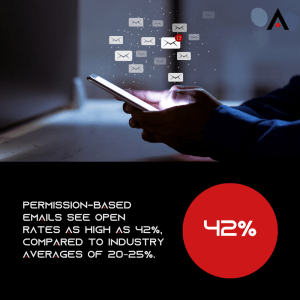
Permission marketing is also evolving beyond traditional email channels to encompass a wider range of direct communication methods. Businesses are increasingly exploring the potential of SMS marketing, WhatsApp Business Messaging, and other similar direct channels, provided they obtain explicit user consent before initiating communication. Additionally, innovative approaches to obtaining permission are emerging through interactive content, gamified experiences, and highly personalised interactions that offer clear value to the user in exchange for their consent. This expansion into new and emerging communication channels presents exciting opportunities for businesses to engage with their opted-in audiences in more dynamic and relevant ways.
The integration of Artificial Intelligence (AI) and advanced personalisation techniques is poised to play an increasingly crucial role in enhancing the future of permission marketing. AI technologies can analyse consented user data to deliver highly relevant and timely content that is precisely tailored to individual preferences and behaviours. This level of personalisation significantly enhances the value exchange inherent in permission marketing, making users even more willing to grant and, crucially, to maintain their consent over time. As AI capabilities continue to advance, businesses will be empowered to create increasingly engaging and relevant experiences for their opted-in audiences, fostering stronger customer relationships and driving greater marketing effectiveness.
Building Sustainable Relationships Through Permission
Adopting a permission-first approach on LinkedIn and in your broader social selling strategies offers a multitude of compelling benefits. By prioritising explicit consent, you cultivate an audience that is genuinely interested in your content and offerings, leading to more meaningful engagement and higher conversion rates. This ethical approach not only fosters trust and strengthens customer relationships but also ensures compliance with increasingly stringent data privacy regulations like GDPR and PoPIA. The long-term value lies in building sustainable relationships with your audience, transforming fleeting interactions into lasting loyalty and brand advocacy. As the digital landscape continues to evolve with a greater emphasis on user privacy and control, permission marketing stands as a sustainable and highly effective strategy for businesses seeking to connect with their audience in a respectful and mutually beneficial manner.